
Full Dentures Sydney
Love your smile again.
Full dentures replace all the teeth in the upper jaw, lower jaw or both. At Urim Denture Clinic in Cremorne, Dental Prosthetist Isaac Hoshi plans each denture around the way you eat, speak and smile, with close attention to fit, function and natural appearance.
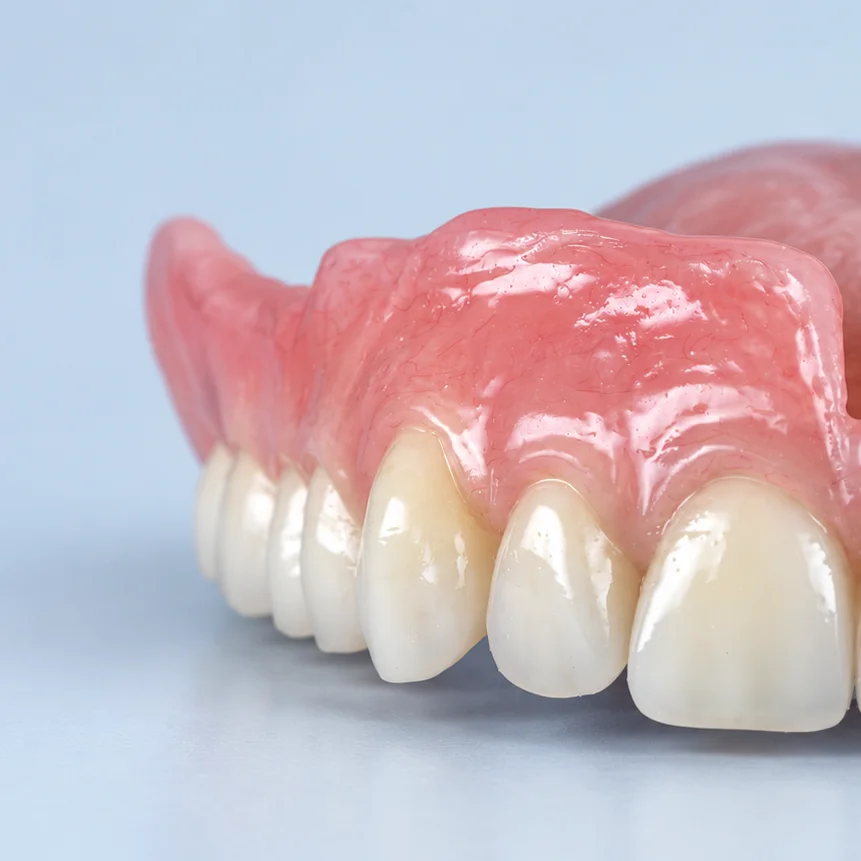
Complete denture care at Urim.

What are full dentures?
Full dentures, also called complete dentures, are removable teeth that replace all the natural teeth in one jaw. A full denture can be made for the upper jaw, the lower jaw or both jaws.
The denture rests on the gums and is made specifically for your mouth. Its design needs to account for more than the space left by missing teeth. Your bite, facial support, speech and the way the denture functions when you eat all form part of the planning process.
Every mouth is different. A consultation allows Isaac to assess your circumstances, discuss what you want to improve and explain whether full dentures may be suitable for you.
When may complete dentures be considered?
Complete dentures may be considered when all natural teeth are already missing from one or both jaws, or when remaining teeth are being assessed for removal by a dentist.
People seek full denture care for different reasons. You may be wearing an older denture that no longer fits as it once did, preparing for your first set of dentures or looking for a result that better suits your current needs.
You may benefit from an assessment if:
- You have no natural teeth in your upper jaw, lower jaw or both.
- Your current full dentures feel loose, uncomfortable or difficult to manage.
- Changes in fit are affecting the way you eat or speak.
- Your dentures look worn or no longer feel suited to you.
- You have been advised that remaining teeth may need to be removed.
- You would like to understand the available alternatives before making a decision.
The appropriate option depends on your oral health, anatomy, treatment history and personal priorities. Isaac will explain the findings from your assessment and any next steps that may be relevant.
Full denture options for the upper jaw, lower jaw or both.
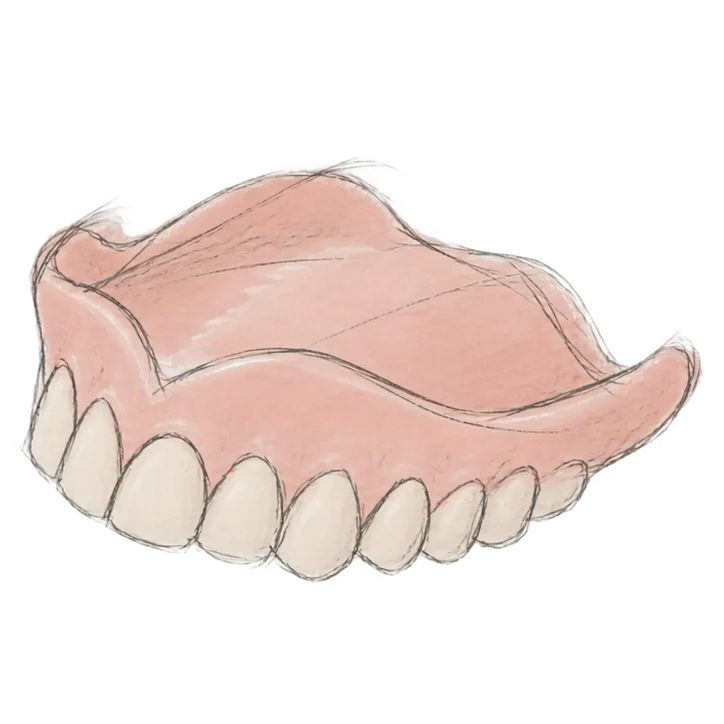
Full Upper Dentures
A full upper denture replaces all the teeth in the upper jaw. It is designed to sit over the upper gums and palate. The fit, bite, tooth position and support provided to the lips and face are considered during planning.
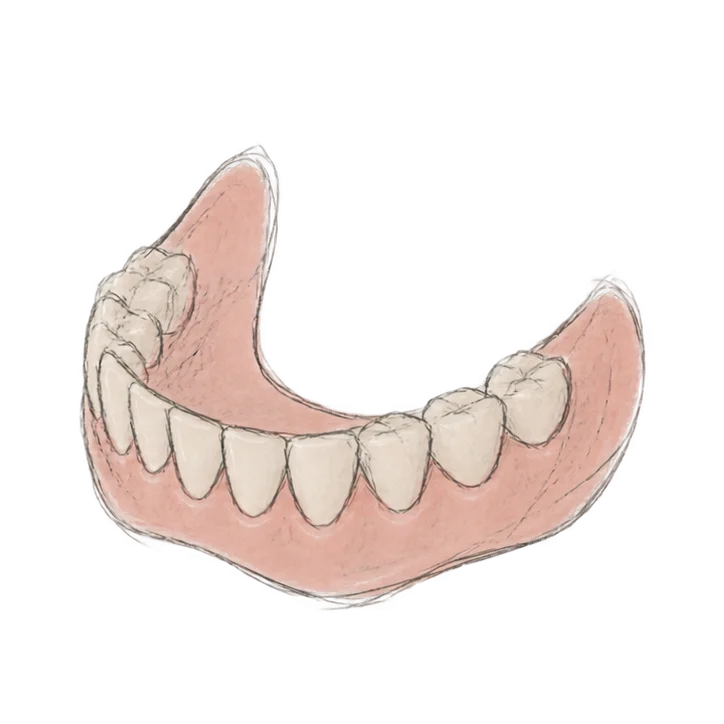
Full Lower Dentures
A full lower denture replaces all the teeth in the lower jaw. Lower dentures need to work within the space available around the tongue and other moving tissues. Careful assessment and follow-up adjustments are important parts of the process.
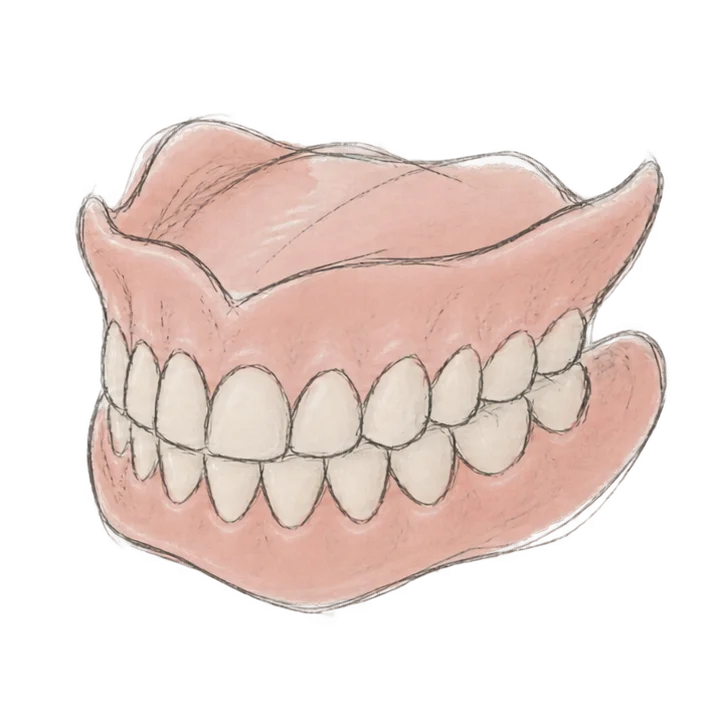
Full Upper and Lower Dentures
When both arches require complete dentures, the upper and lower dentures are planned together. This allows the bite, tooth position and overall appearance to be assessed as one complete result.
If you are looking for additional retention using dental implants, visit our Implant Overdentures page. Implant overdentures are a separate treatment option and require individual assessment and coordination with the relevant implant clinician.
Full dentures, planned for everyday life.
A full denture needs to work in everyday situations, not only while you are sitting in the clinic. Urim considers how the denture feels, functions and looks as part of the same treatment process.
How we plan and fit your full dentures.
Making complete dentures involves several clinical and technical stages. The exact sequence and number of appointments depend on your mouth, whether you have worn dentures before and whether other dental care is required.
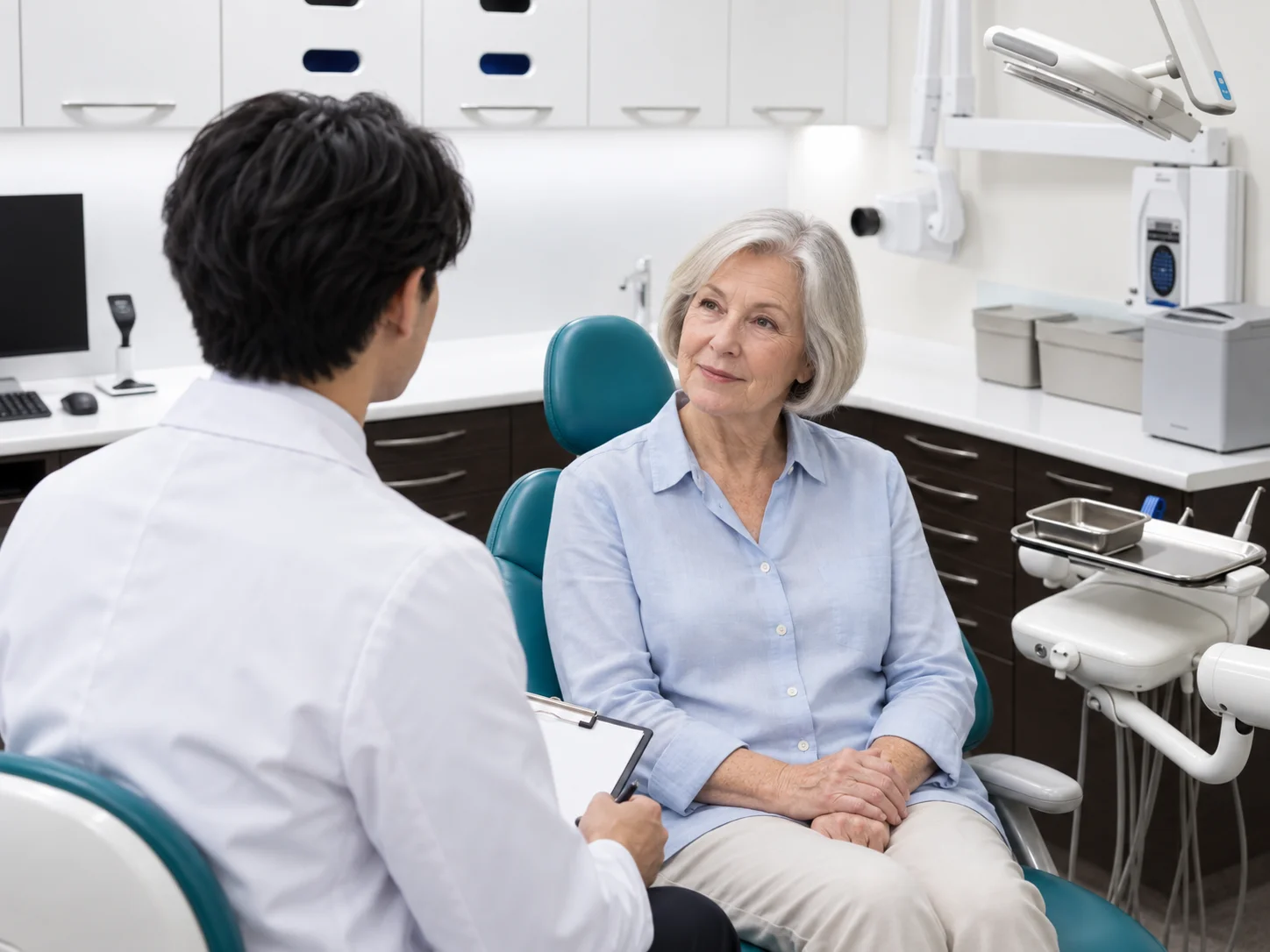
Step 1
Consultation and assessment
Isaac begins by discussing your concerns, previous denture experience and what you would like to improve. He assesses your mouth and explains whether complete dentures may be appropriate for your circumstances.
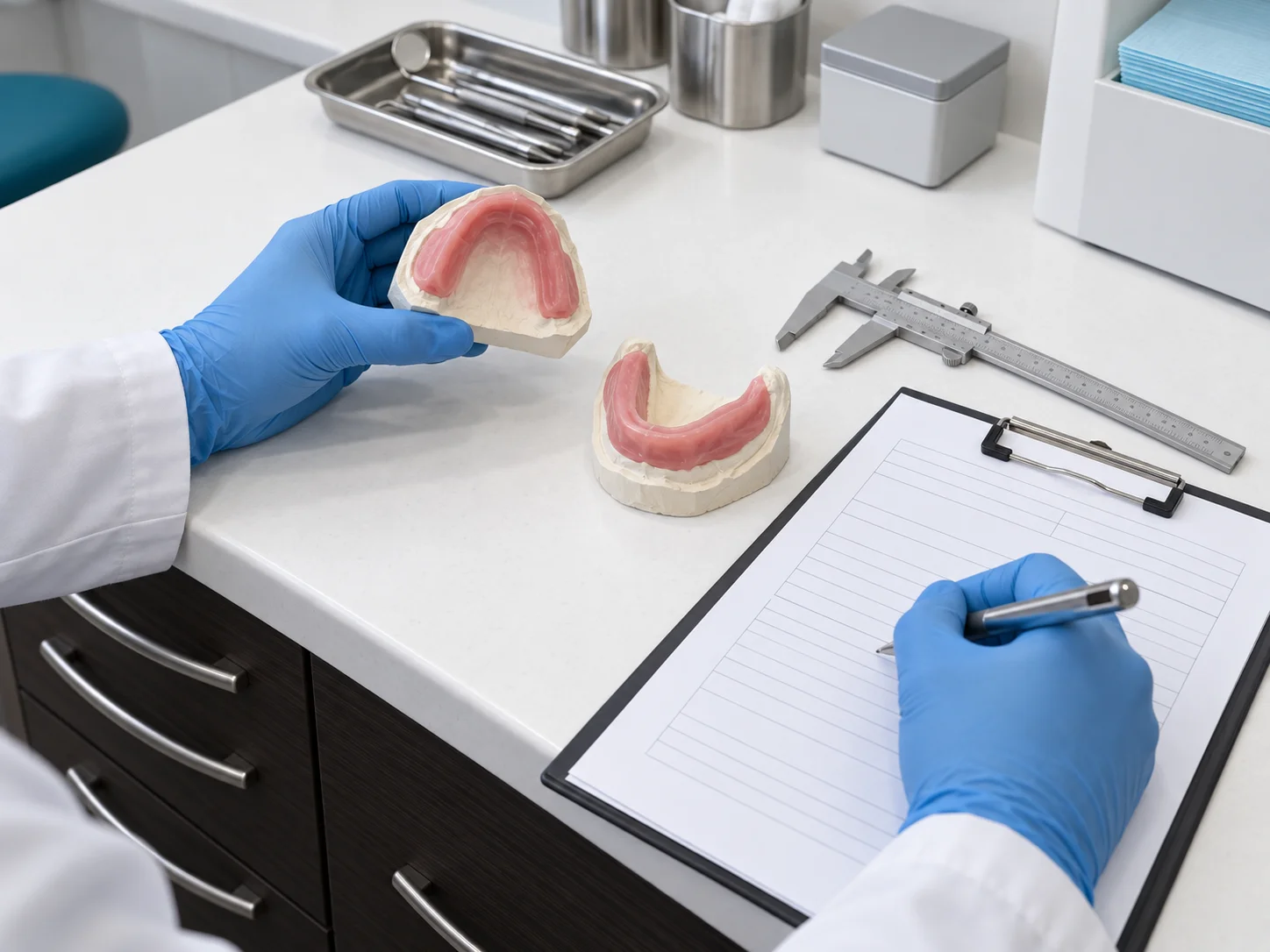
Step 2
Records and treatment planning
Clinical records and measurements are used to plan the denture. This stage considers the relationship between the upper and lower jaws, the available support in the mouth and the position of the new teeth.
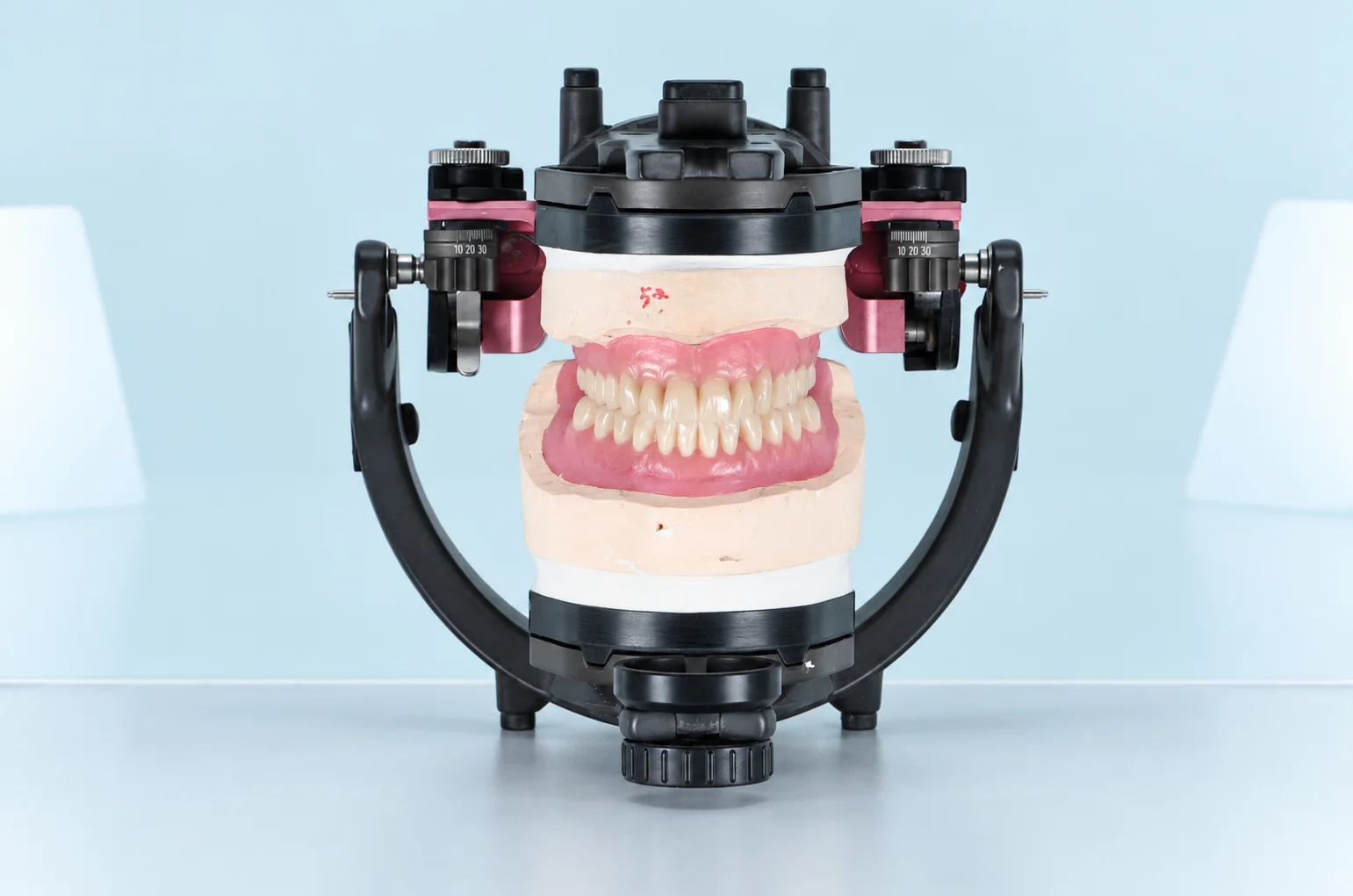
Step 3
Design and trial
The proposed tooth position, bite and appearance are reviewed before the denture is completed. This provides an opportunity to assess the design and make appropriate refinements.
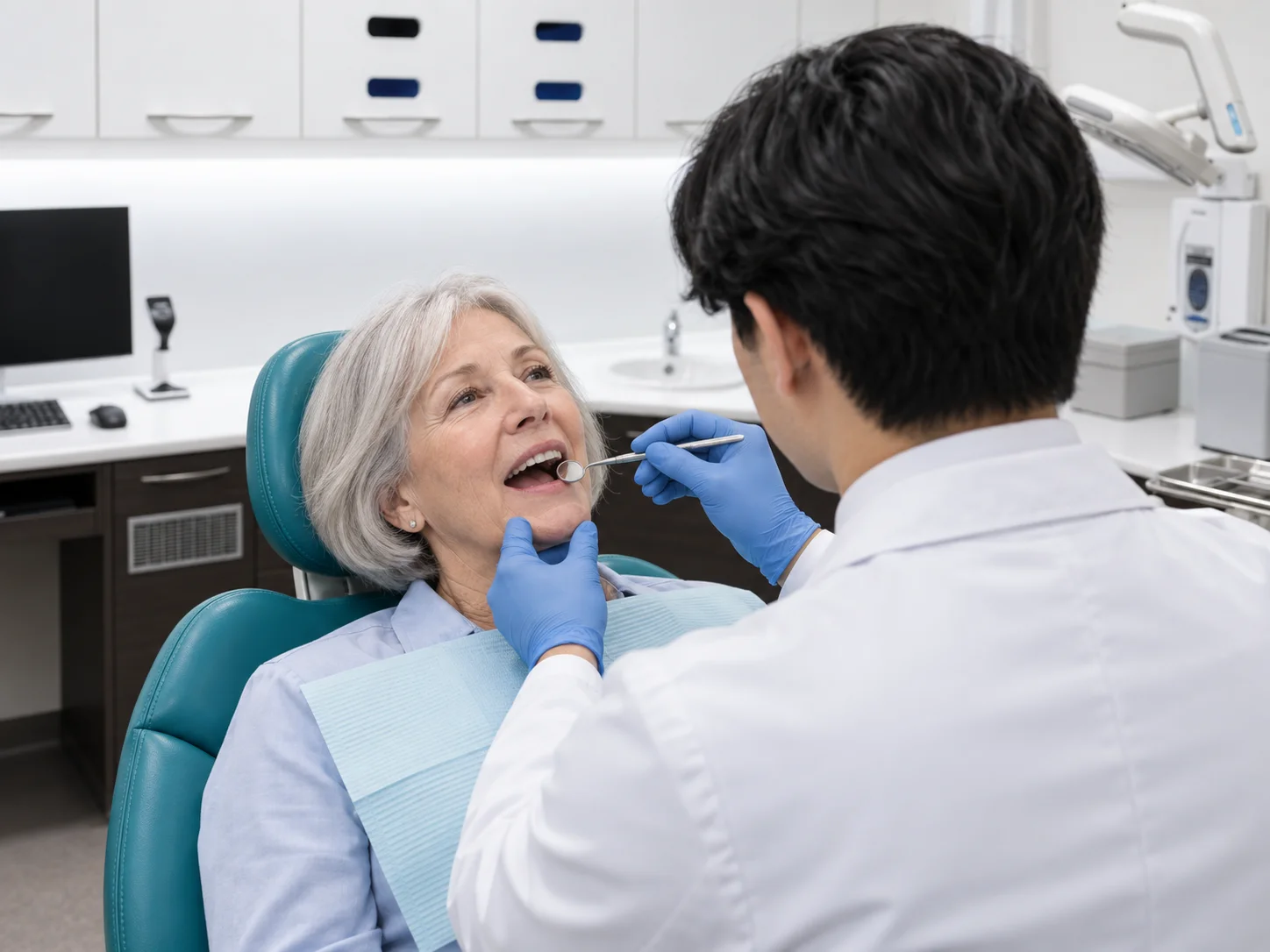
Step 4
Fitting your dentures
At the fitting appointment, Isaac checks how the dentures sit in your mouth and how the upper and lower teeth meet. He will also explain how to insert, remove and care for them.

Step 5
Follow-up care
New dentures can require adjustment as you begin wearing them. Follow-up care gives Isaac the opportunity to check the fit, address sore areas and make changes where clinically appropriate.
Getting used to new full dentures.
New dentures often feel unfamiliar at first. Eating and speaking may feel different while your mouth adjusts, and some people develop sore areas that require professional adjustment.
Start with manageable foods and follow the individual advice Isaac gives you. Do not try to reshape or adjust the denture yourself. Contact Urim if you experience ongoing discomfort, ulcers, swelling, bleeding or a change in fit.
Your mouth continues to change over time, even after all natural teeth have been removed. Regular reviews allow the fit and condition of your dentures, as well as the health of the tissues in your mouth, to be checked.
How to care for your complete dentures.
Daily cleaning helps protect your dentures and the tissues in your mouth. Isaac will provide instructions suited to your denture, but general care includes the following:
- Remove your dentures before cleaning them.
- Clean them in the morning and at night using a denture brush or soft toothbrush and mild soap, unless advised otherwise.
- Avoid ordinary toothpaste on acrylic dentures because it can scratch the surface.
- Clean dentures over a folded towel or a basin of water to reduce the risk of damage if they are dropped.
- Remove your dentures while sleeping unless your dental practitioner has given you different instructions.
- Continue cleaning your gums, tongue and the roof of your mouth.
- Arrange regular dental or dental prosthetist reviews, even if you no longer have natural teeth.
If your denture becomes loose, painful, damaged or difficult to use, book an assessment rather than continuing to wear it without advice. Depending on the problem, a denture repair, reline or adjustment may be considered.
Personally Guided Denture Care
Complete denture care led by dental prosthetist Isaac Hoshi.
Denture care is all we do. Owner and leading dental prosthetist, Isaac Hoshi, personally guides each patient through assessment, treatment planning, fitting and ongoing care.
His approach gives equal attention to the clinical and technical parts of denture care. You will have time to explain what is not working, understand the available options and ask questions before deciding how to proceed.
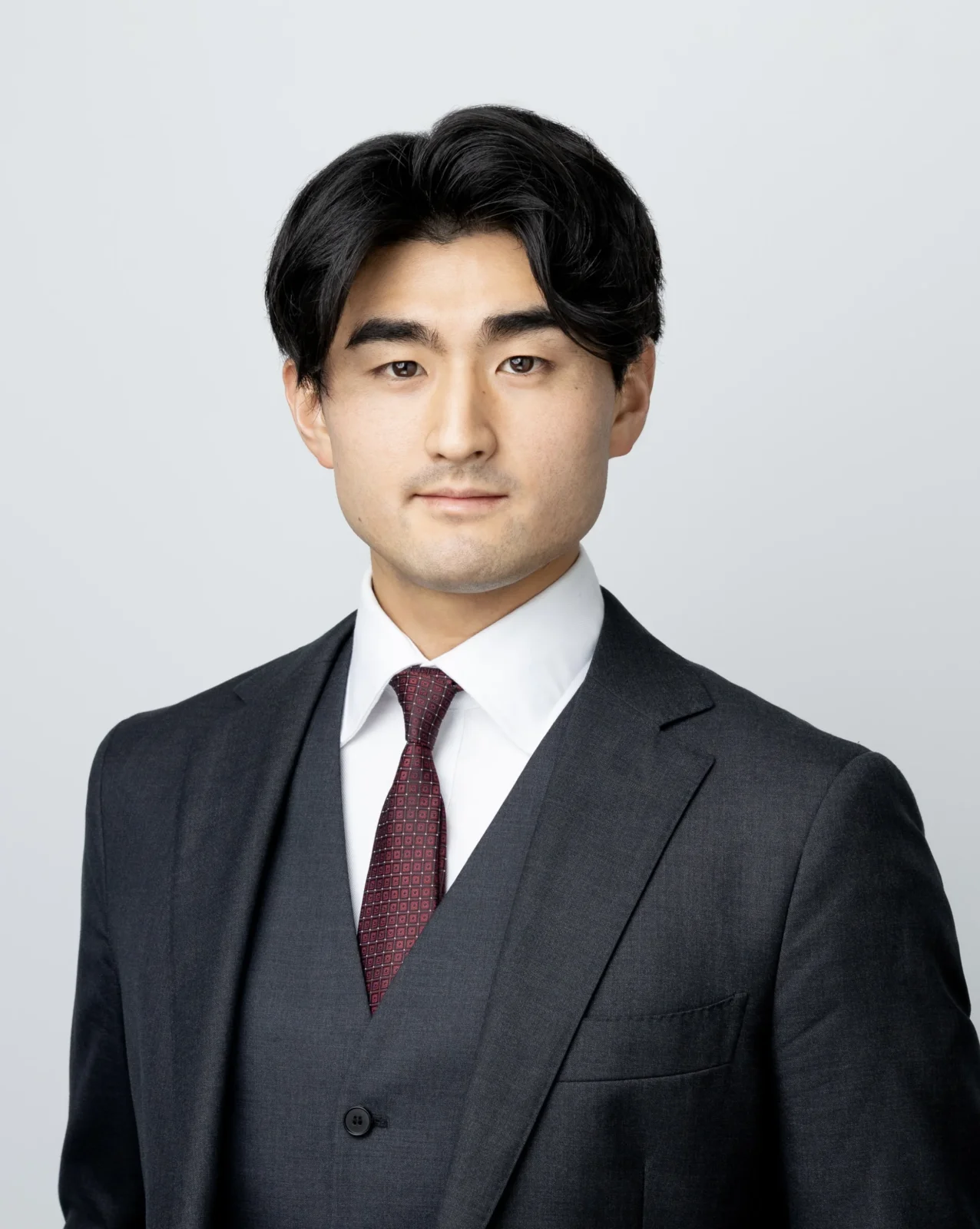
(Dip. DT, AdvDip. CDT)
Frequently asked questions about full dentures.
Still have a question?
Yes. The terms full dentures and complete dentures both describe removable dentures that replace all natural teeth in the upper jaw, lower jaw or both.
Yes. A full denture can replace all teeth in the upper jaw or all teeth in the lower jaw. It can also be made for both jaws. Your existing teeth, bite and overall oral health need to be assessed when planning the denture.
Complete dentures usually require several appointments. The number depends on your individual needs, whether you have worn dentures before and whether other dental treatment is required. Isaac will explain the anticipated process after assessing you.
New dentures can feel unusual at first, and it may take time to become comfortable eating and speaking with them. Follow-up adjustments are often part of the fitting process. Contact Urim if you develop persistent soreness or another concern.
There is no single replacement timeframe that applies to everyone. Dentures wear over time, and the shape of your mouth can also change. Regular reviews help identify whether an adjustment, reline or replacement should be considered.
The cost of full dentures depends on your clinical needs, the design and materials selected, and the care involved. Urim will provide a treatment recommendation and quote after your consultation and assessment.
A dentist needs to assess any remaining teeth and discuss the appropriate timing of extractions and denture care. Isaac can explain the denture component and coordinate with your treating dentist where required.
No. Conventional full dentures rest on the gums. Implant overdentures are removable dentures that use dental implants for additional retention. Suitability requires individual assessment and coordination with an implant clinician. Learn more about implant overdentures.
Book a consultation.
If you are considering full dentures in Sydney or would like an existing denture assessed, book a consultation with Isaac at Urim Denture Clinic in Cremorne. He will examine your needs, explain the appropriate options and answer your questions before you decide on the next step.